Bonjour friends and family and welcome to my first blog post on my first blog ever! I am writing to you from Dakar, Senegal, where we are staying at a guest house while we have orientation for a few weeks. Here I have answered some questions that y’all have asked me about my year-long journey, and feel free to continue to ask questions that I can answer on my blog!
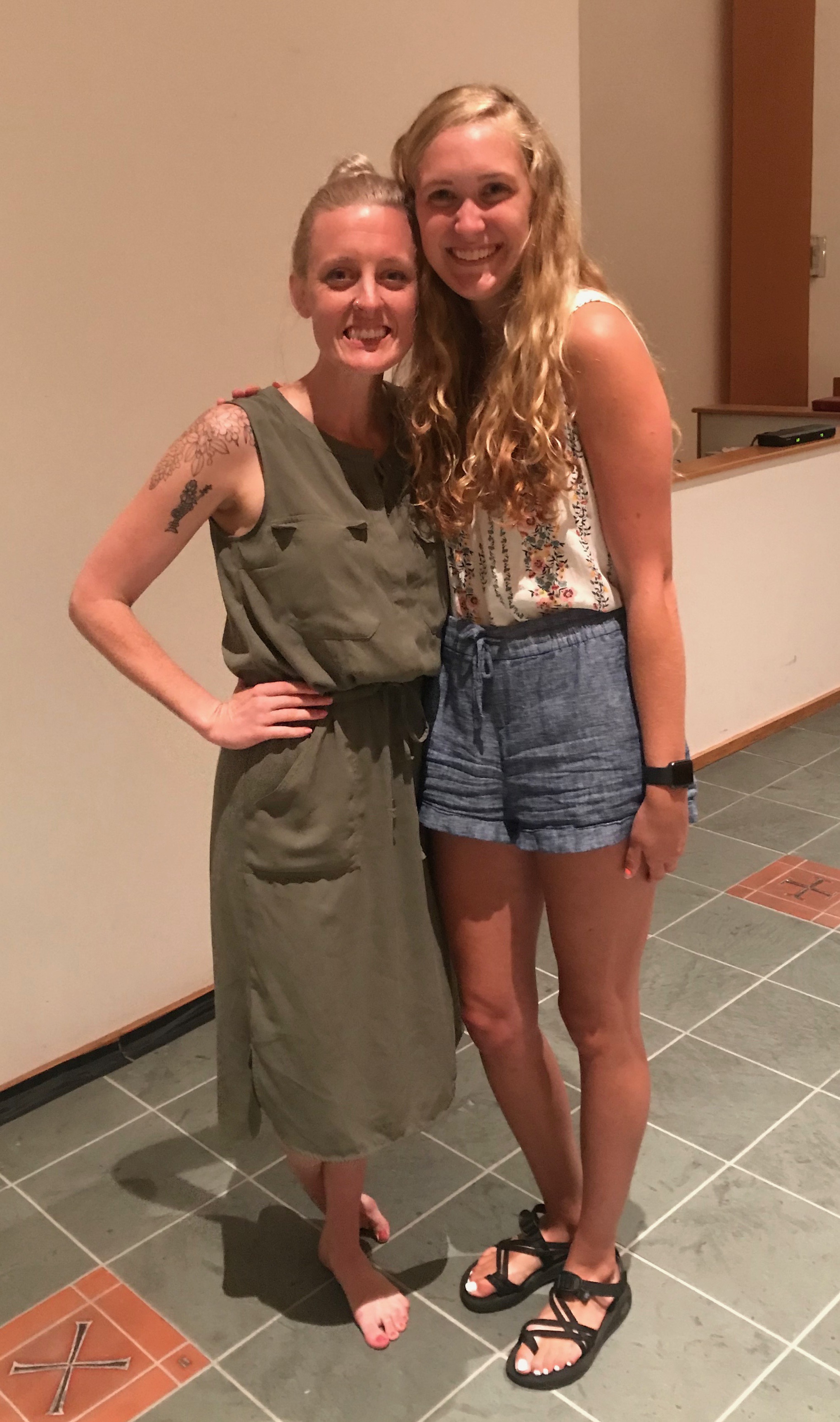
Hung out with Savanna during orientation in Chicago 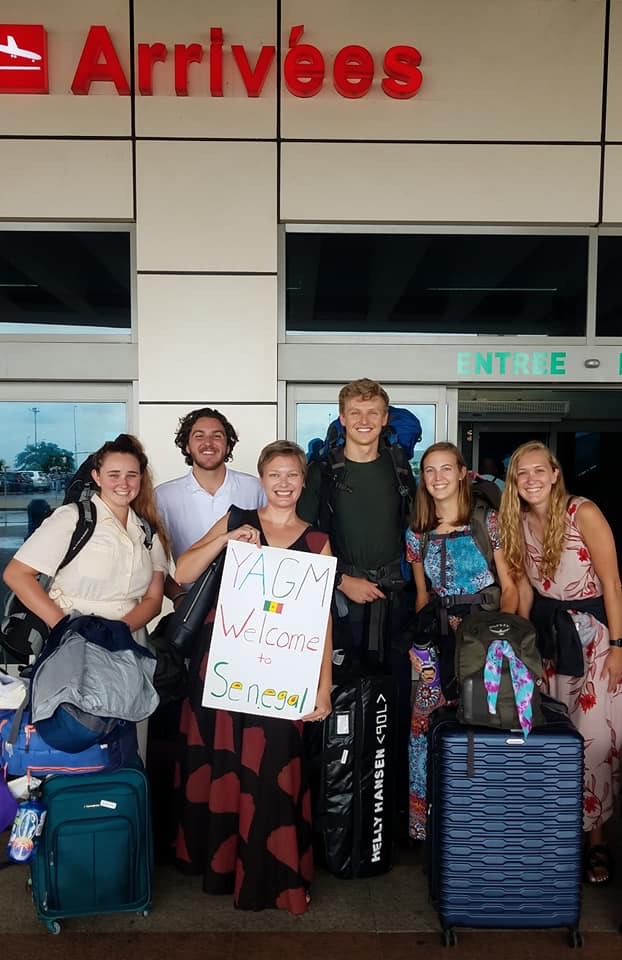
Met by Pastor Kristin when we arrived at the airport in Dakar 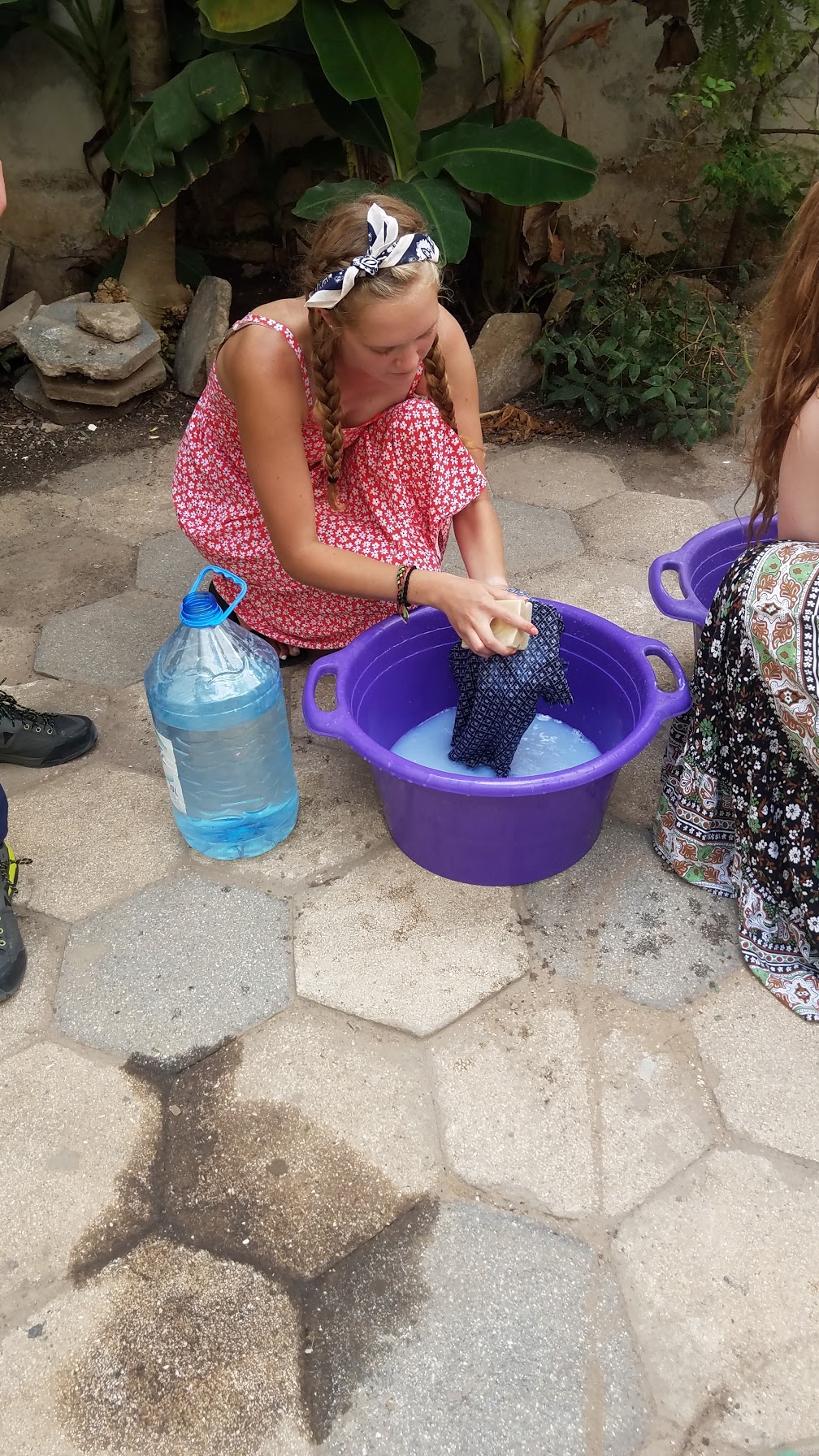
Learning to do laundry in Dakar
Question: Where is Senegal?
Answer: On the north-west coast of Africa. The capital city, Dakar, is actually the western most point of Africa. Senegal is not very big, roughly about the size of Colorado, and Senegal’s time zone is only about 5 hours ahead of Texas.
Q: What will you be doing in Senegal for a year?
A: According to the church, I am a missionary, but what I am doing is more along the lines of volunteer work. I will be living with and walking alongside the community in accompaniment, so I can learn what it’s like to live in Senegal. I am working in the Église Luthérienne du Sénégal (Lutheran Church of Senegal) in Fatick, Senegal. I will be working in the Christian Resources Office (Music & Liturgy), the Finance & Accounting Department, and the Women’s Advancement & Vocational Formation Center as needed (twice/year). This placement has been chosen for me by my amazing country coordinator in Senegal, Pastor Kristin Engstrom and the site director in Fatick. They were working to figure out where all of us in Senegal would fit best in each city and site placement this past summer, and I am so excited to start!
Q: Where will you be living?
A: I will be living with a host family in Fatick, but I am not sure who the family is quite yet. Fatick is located along the Sine-Saloum River delta in central Senegal.
Q: What language do they speak in Senegal?
A: The colonial language is French, and most people speak French (at least they do in Dakar). The other two common local languages that we will be learning are Wolof and Serer. I will be learning Serer starting this week, and will continue to practice my French! I’ve gotten to use quite a bit of my French since I’ve been here, and it’s slowly coming back to me!
Q: Will you have access to Wi-Fi to communicate with friends and family back home?
A: Short answer is, occasionally yes! Right now we are in orientation in Dakar, and I have much more access to Wi-Fi than I probably will in Fatick. I will definitely be able to communicate with friends and family back home who wish to, but I also want to spend as much time as I can with the community and technology can often interfere with community building, so I will be using it sparingly. That’s why I have this blog!
Q: What’s the weather/climate like there?
A: Although Senegal is a costal country, the majority of the country is desert. There are about three months of rainy season (August-October) and then it’s hot, dry, and sunny! The temperature ranges year-round from 65-95 degrees, which is great for me since I love the Texas heat! It’s slightly warmer in Fatick than it is in Dakar, since it is farther from the coast.
Q: Is it safe?
A: Senegal is overall a very safe country. Things happen, just as they do in the USA, but the community is very supportive and the ELCA has experience with all types of global security situations. The YAGM program has been around for 20 years, and there’s a reason that it’s still around!
Q: What does “accompaniment” mean?
A: This mostly a question I have been asking myself over the past few months and will continue to ask myself this year. We talked about what accompaniment means during orientation, so here are some of the ways it was described to us:
- A photographic negative of colonial Christianity
- Partnership, as opposed to imposing
- The ELCA only goes to countries that ask for volunteers, rather than coming in unannounced and unwanted
- Everything that we will be doing here, besides just our volunteer work, is a product of relationships that will be made
- This is not MY mission, but it’s God’s mission that we are all a part of
- Walking together in solidarity that practices interdependence and mutuality. In this walk, gifts, resources, and experiences are shared with mutual advice and admonition to deepen and expand our work within God’s mission.
- God’s mission is RESTORING RELATIONSHIPS
What does this mean to me? It means that I hope to be putting into practice what I have heard so many times and in so many different ways in my life – to love God and love people, and that it’s all about relationships (shout out to Pastor Rusty!). It’s not my mission, and it’s not about me “helping out” the communities here. It’s about learning and forming relationships by living alongside the people of Senegal.
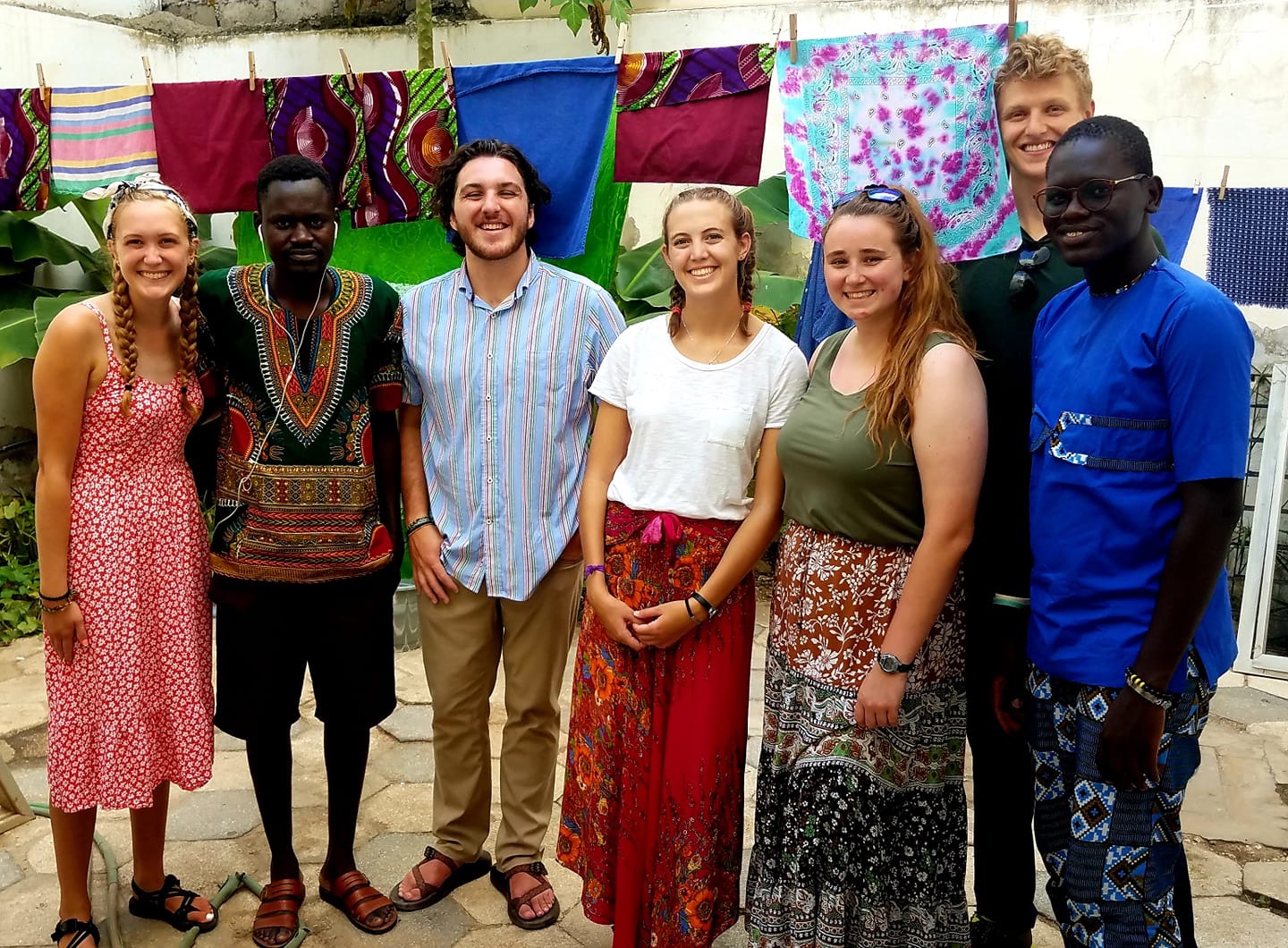
2 Corinthians 5:16-21
“So from now on we regard no one from a worldly point of view. Though we once regarded Christ in this way, we do so no longer. Therefore, if anyone is in Christ, the new creation has come: the old has gone, the new is here! All this is from God, who reconciled us to himself through Christ and gave us the ministry of reconciliation: that God was reconciling the world to himself in Christ, not counting people’s sins against them. And he has committed to us the message of reconciliation. We are therefore Christ’s ambassadors, as though God were making his appeal through us. We implore you on Christ’s behalf: Be reconciled to God. God made him who had no sin to be sin for us, so that in him we might become the righteousness of God.”

 Sarah in Senegal
I am so excited that you’re getting this life experience. I am sure God has many things in store for you.
LikeLike
Good hearing from you, Sarah. I look forward to hearing more from you.
LikeLike