Lent was always so confusing to me. I knew that it was the time between Ash Wednesday and Easter, but . . . what was it? All I knew was that people gave up a lot of stuff, maybe because their New Year’s resolutions weren’t going so well. I don’t know. But recently I’ve come to see it as a time of reflection and preparation for Easter. In a way, this whole YAGM year in Senegal feels like Lent, in that I am taking time to reflect and connect with the world around me.
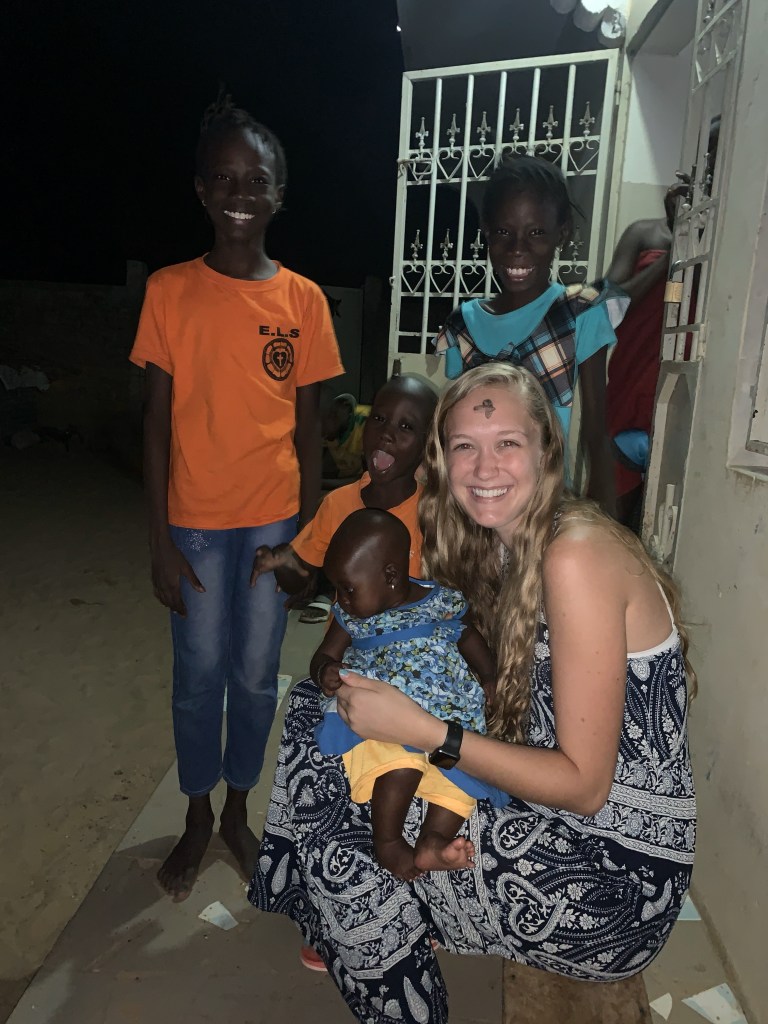
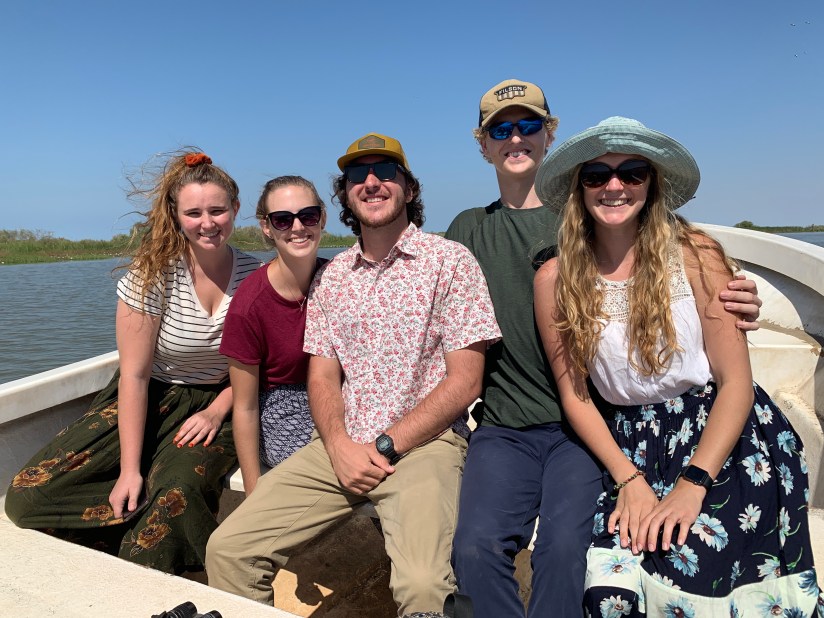
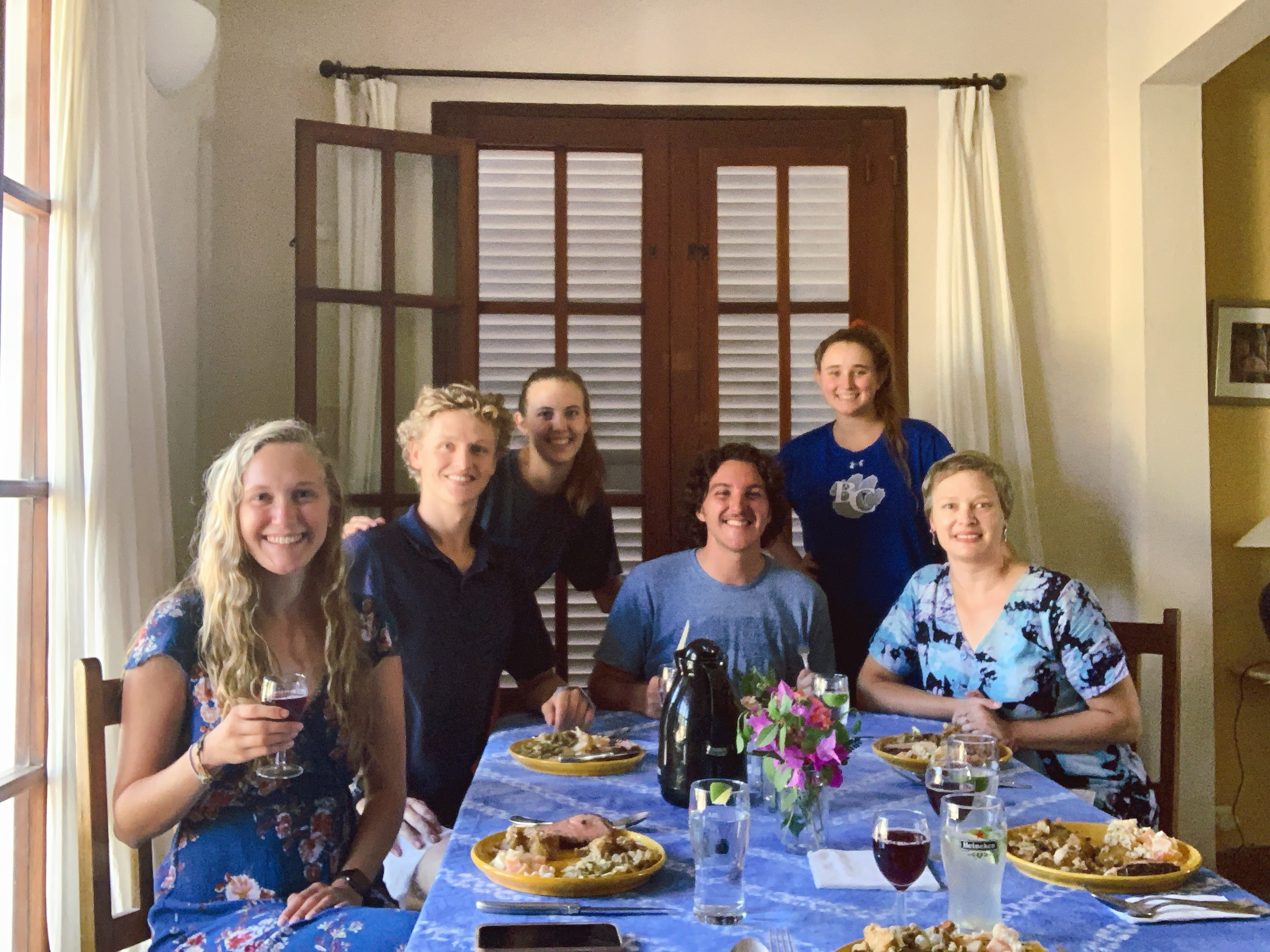
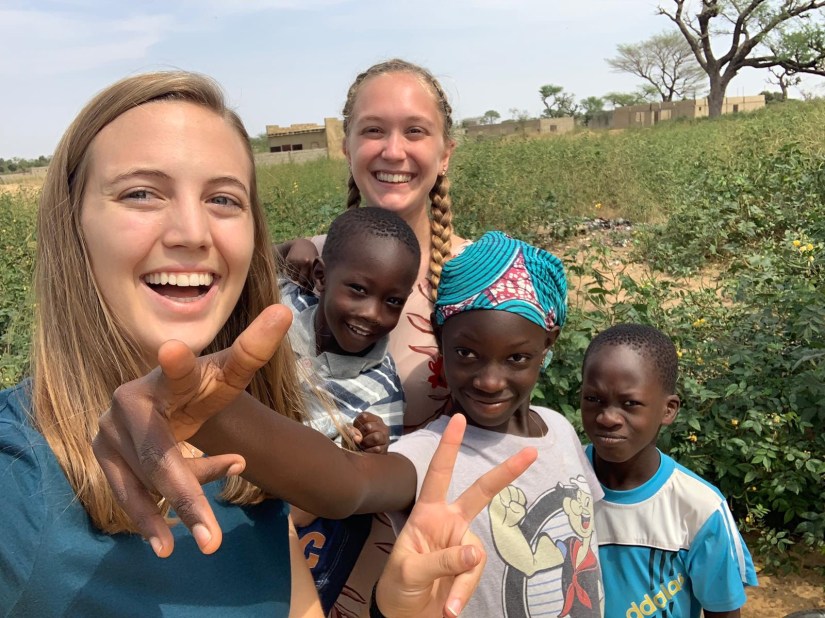
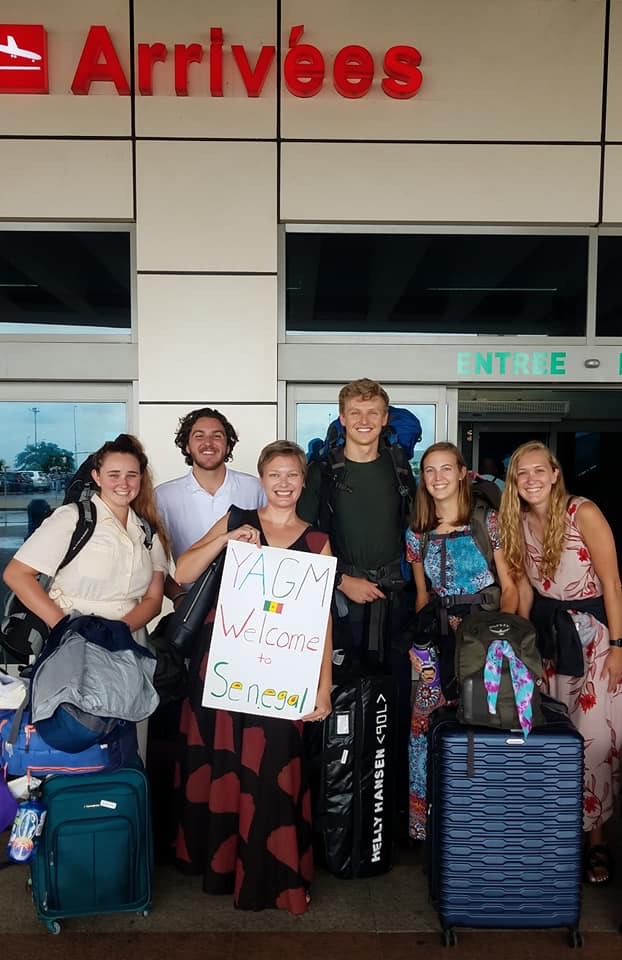
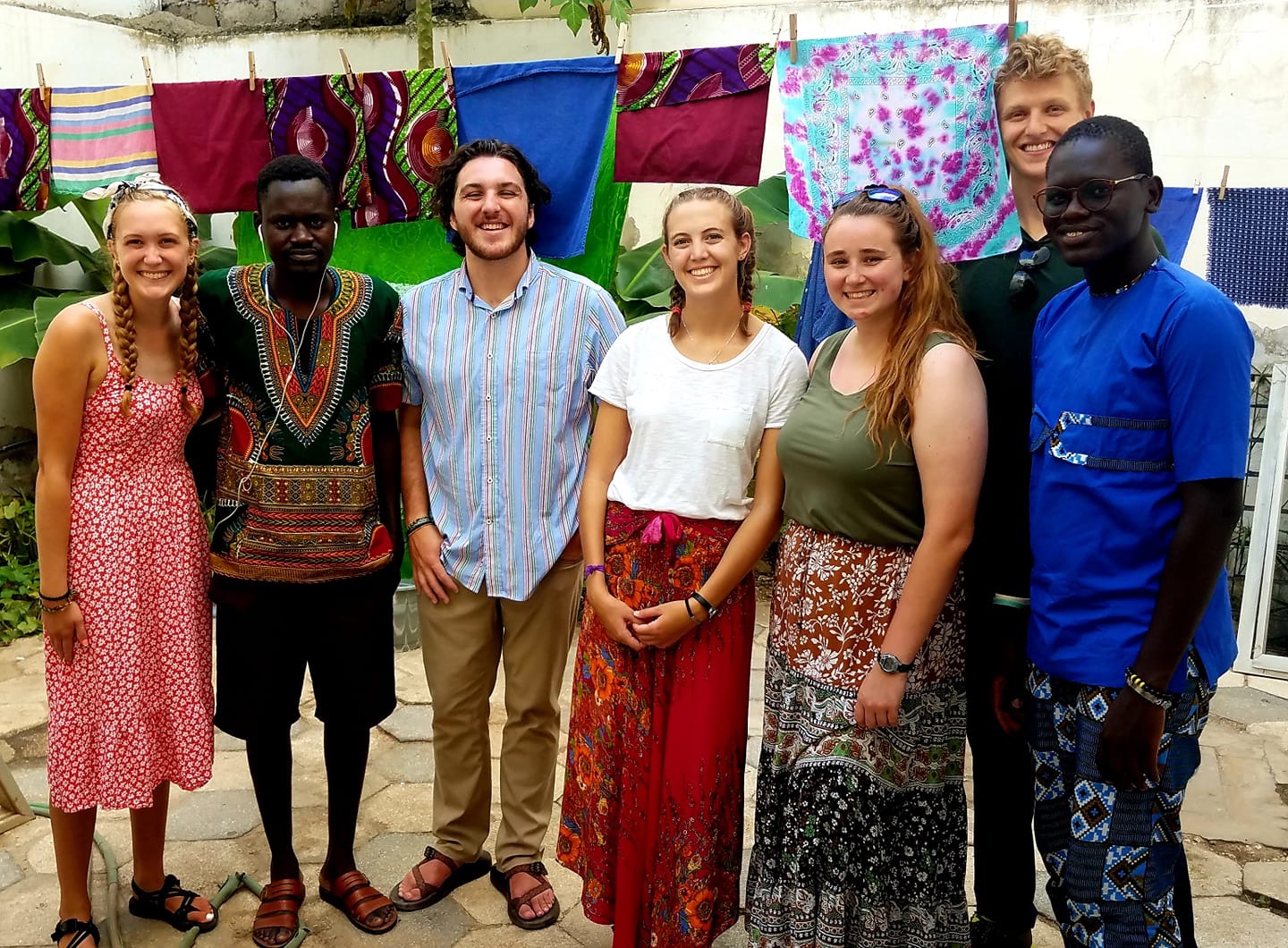
Left to right: Myriam, Prosper, baby Ely, Daba (me), and Leah
Lent was always so confusing to me. I knew that it was the time between Ash Wednesday and Easter, but . . . what was it? All I knew was that people gave up a lot of stuff, maybe because their New Year’s resolutions weren’t going so well. I don’t know. But recently I’ve come to see it as a time of reflection and preparation for Easter. In a way, this whole YAGM year of mine feels like Lent, in that I am taking time to reflect and connect with the world around me.
There are a couple of things that I would like to share about how I am participating in Lent. The first is part of the ELCA Young Adult’s #NoPlasticsForLent challenge! I am so so so guilty of using an unnecessary amount of plastic, and it’s crazy just how easy it is to not think about how much plastic we are using or where it ends up. Especially where it ends up, because we don’t see that part. Every single plastic toothbrush you’ve ever used is probably still floating around in a landfill or ocean somewhere.
My goal for this season is to not buy anything with plastic. It has already proven kind of difficult, because it is 105°F during the day and sometimes I just want a nice, cold, frozen bissap treat! But this is made and sold in little plastic bags/cups. I think about every time I went to the grocery store and used plastic bags when checking out. I never thought it was a huge deal and wouldn’t blame myself too hard for forgetting my reusable bags. But this is the time where I’m forming good habits and dismantling the old. I’ve started to check my backpack and purse for my little reusable bag every time I leave my house, and I use it for everything! (I have my own mom to thank for this, she always used reusable bags!)
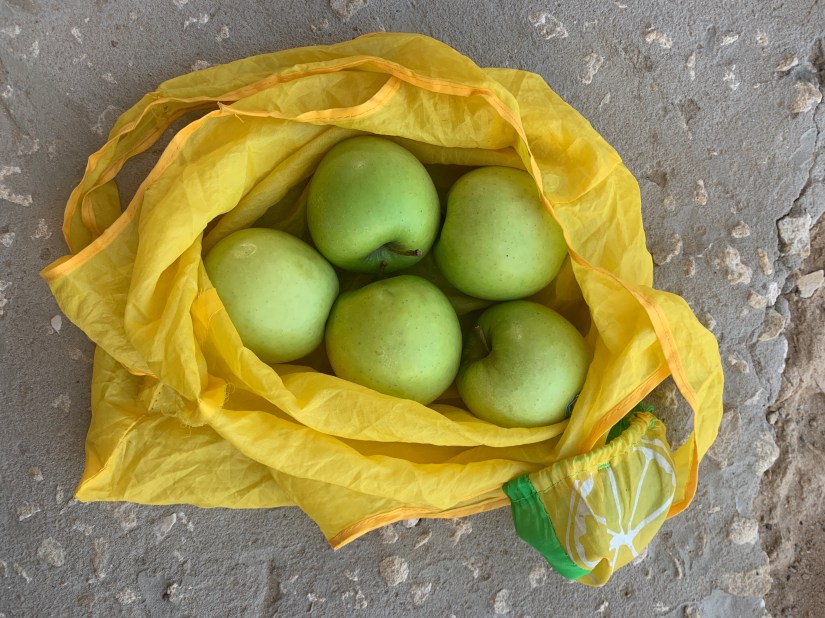
Here are some easy replacements you can do that I am also starting:
Plastic bags/zip lock baggiesreusable tote bags/washable food storage bagsPlastic water bottlesReusable water bottlesPlastic shower loofanatural sea spongePlastic toothbrush and flossbamboo toothbrushPlastic strawsreusable metal strawsPlastic cling wrapreusable food storage wrap made of beeswaxPlastic bottled soapbar soapPlastic doggie bagsbiodegradable doggie bagsTampons/padsreusable cloth pads/period underwear/menstrual cupIndividually wrapped coffee/tea bagsloose coffee beans and tea leaves
In reality, some of these things are more inconvenient to buy or use than the plastic alternative. Wouldn’t it be easier if we didn’t have to wash out our reusable food bags, and we could just throw them away and grab a clean one? Yes probably. But it’s the diligence that we take and habits that we form that will make the difference in ourselves and in the environment. Most of the time, “the easy way out” is what stunts change and allows injustice to flourish. Wouldn’t it have been easier for Jesus to give into temptation during his 40 days in the desert?
This leads me to the next action I am taking during Lent: reading a devotional for dismantling white supremacy. Dismantling white supremacy—now that’s something that takes intentional action and inward work for all white people. There are many misconceptions about the label of “white supremacy;” it is not just for those radical and violent single acts of racism. It is, in fact, a system that has gained power because of its invisibility through our conditioning and socialization. It’s the assumed superiority of people defined and perceived as white, whiteness as the ideal and standard for global humanity, and a system that benefits those defined and perceived as white (White Fragility, pg. 28-30).
Colonialism is one way white supremacy is still alive today, and I see it in effect every day here in Senegal. I instantly stand out because of my skin color, but in a very different way that many people of color do in America and other white-dominated places. Because of the color of my skin and the privilege that comes with it, I have the essential opportunity educate myself about racism, and then do some inner work and reflection. Because it is not peoples of color obligation to educate me, and race/racism is certainly not only reserved for people of color. Black would not exist without white. And whiteness doesn’t exist without white supremacy.
With all that said, I think it is important to move past the white guilt and into action. We can educate ourselves. We can have conversations about racism with other white people (this is super important, since we white people tend to avoid race-talk!). We can have conversations with people of color, when they are willing to share. And all of this for our own sense of liberation and justice, not to “save” people of color.
The one thing that has helped me the most, is education. Read books and reflect. Take extensive notes. Talk about those books with your friends. There are so many resources out there, and I have no excuse for not starting this inner work of myself earlier.
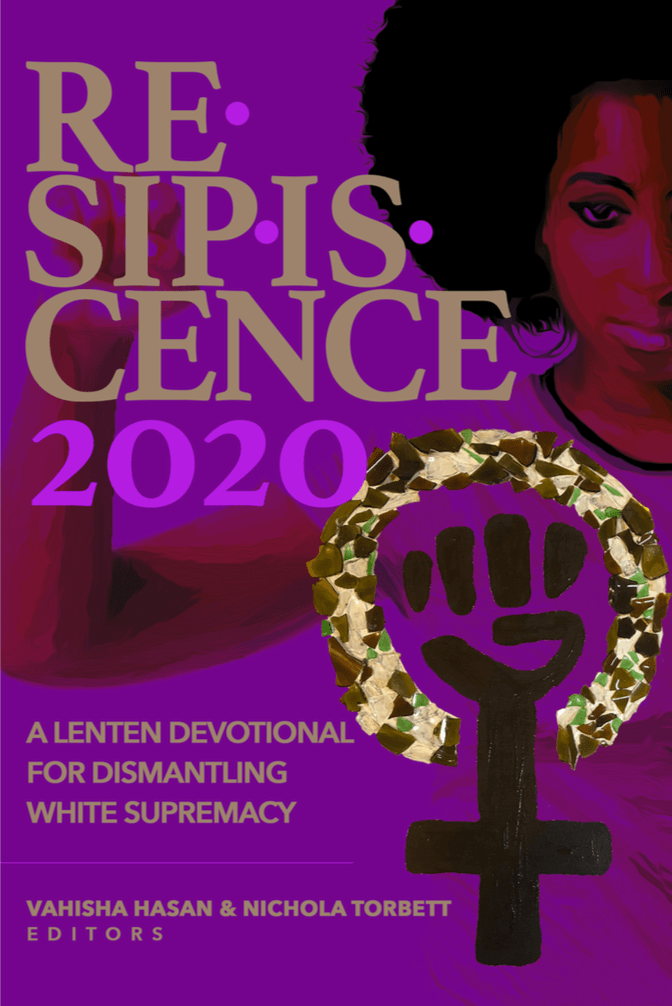
This Lenten devotion for dismantling white supremacy (https://www.transformnetwork.org/bookstore) first focuses on recognizing and dismantling fear. Fear of change; an unconscious fear that white supremacy relies on. It might be easier if we just ignored racism and didn’t have to read a bunch of books. But the devotional asks this: “What would it mean for you to step out on faith this Lent, even in spite of the fear?”
I strongly believe that these subjects (and all subjects) of injustice belong in conversations we have within the church. After all, Jesus was and is the ultimate advocate for the oppressed and does not remain silent to injustice. As Jesus walks in solidarity with us during this Lenten season, Jesus is there as we walk in solidarity with others.
My favorite reading of the devotional thus far has this line: “silence is not the tool of justice.”
This Lent, I don’t want to be silent. Fasting isn’t just for food—I’m fasting from silence, from ease, from fear.
I’m fasting from plastic. Fasting from harming creation. Fasting from injustice.
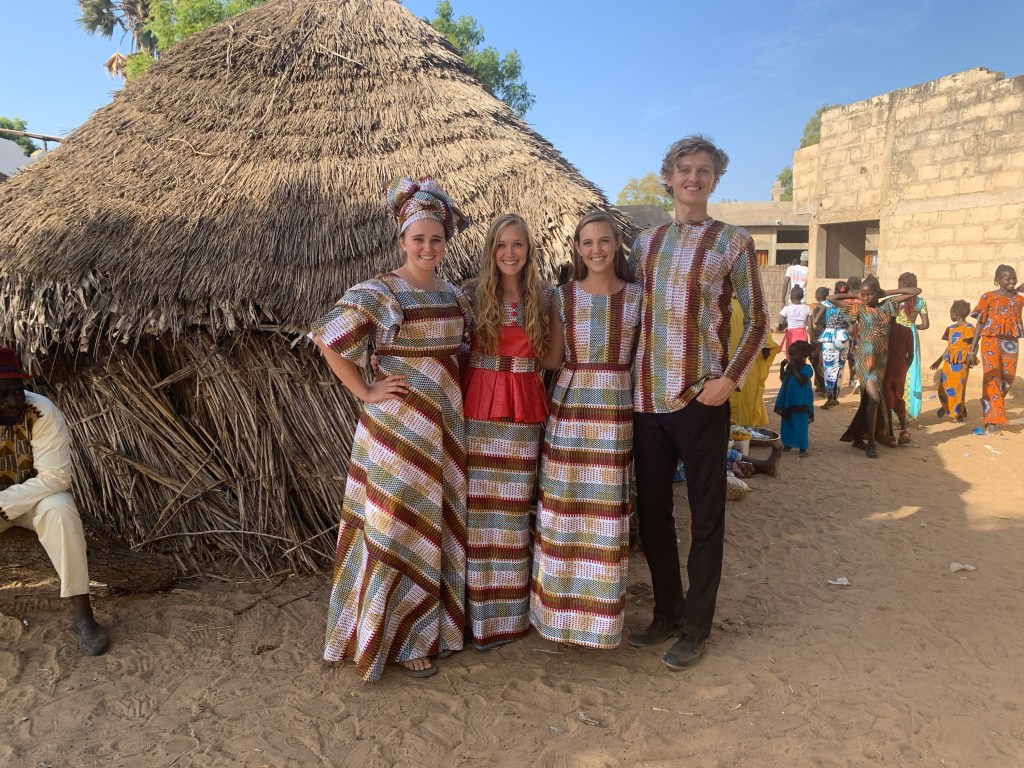



 Sarah in Senegal